Minimally invasive spine surgery including specialist assessment and pioneering treatment for a wide range of spinal conditions. From common causes of back pain to complex disorders, care is tailored to each individual patient.
Specialist assessment and pioneering treatment for a wide range of spinal conditions.
Spinal conditions can present in a variety of ways, including localised back or neck pain, nerve irritation, compression and reduced mobility. These symptoms may be caused by underlying structural or degenerative changes within the spine. Early assessment is important to ensure accurate diagnosis and effective management.
A wide range of spinal conditions are assessed and treated, from everyday causes of back and neck pain through to more complex structural disorders.
Back and neck pain can arise from disc problems, joint inflammation or nerve compression. Sciatica and arm pain are often caused by irritation of spinal nerves, leading to pain that radiates into the limbs.
Degenerative changes in the spine can lead to chronic pain, stiffness and reduced mobility. Often age-related, these changes can be effectively managed with the right treatment approach.
Spinal stenosis occurs when narrowing of the spinal canal places pressure on the nerves. This can cause pain, numbness and difficulty walking, particularly in older patients.
Back and neck pain can arise from disc problems, joint inflammation or nerve compression. Sciatica and arm pain are often caused by irritation of spinal nerves, leading to pain that radiates into the limbs.
Structural abnormalities of the spine can affect posture, movement and nerve function. These conditions may require specialist surgical management.
Abnormalities in the blood vessels of the spine can affect spinal cord function and require specialist assessment and carefully planned treatment.
Treatment is always tailored to the individual, with a focus on selecting the most effective and least invasive approach wherever possible.
Where appropriate, minimally invasive spine surgery is used to treat spinal conditions using smaller incisions and advanced techniques.
We offer targeted spinal injections to diagnose and treat pain caused by inflammation or nerve irritation. These can provide effective relief and may reduce the need for surgery.
For more complex conditions, advanced spine surgery techniques are used to address structural issues, nerve compression or spinal instability. Procedures are carefully planned to achieve the safest and most effective outcome.
Each patient undergoes a thorough assessment to understand the underlying cause of their symptoms, allowing for a personalised treatment plan.
Not every spinal condition requires surgery. Where appropriate, non-surgical management is recommended, including physiotherapy guidance, pain management and targeted injections.
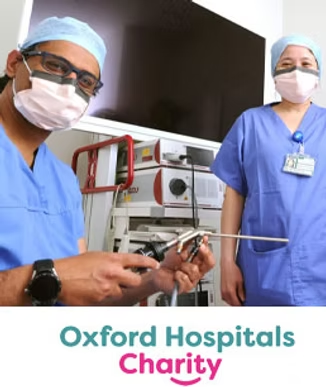
Care is led by Mr Murtuza Sikander, with extensive training and a senior clinical role within Oxford University Hospitals NHS Foundation Trust.
A wide range of spinal conditions are treated, from common causes of back and nerve pain through to complex cases including tumours, deformities and revision surgery.
Where possible, treatment involves minimally invasive surgery, designed to reduce recovery time, minimise discomfort and support a faster return to normal activity.
Every patient receives a tailored approach, with time taken to fully understand symptoms, explain treatment options clearly and provide ongoing support.
Expert spinal assessment and treatment is available at leading private hospitals and clinics in Oxford. No GP referral required for private patients.
Find clear answers to common questions about back pain, sciatica and spinal conditions from a private neurosurgeon. Learn about treatment options, including non-surgical care and minimally invasive spine surgery, to help you make informed decisions.
You should see a private neurosurgeon or spine specialist if you have persistent back pain, neck pain or sciatica that is not improving, or if you experience symptoms such as numbness, weakness or nerve pain.
Early assessment by a spinal specialist can help identify the cause and prevent symptoms from worsening.
A spine specialist treats a wide range of spinal conditions including back pain, neck pain, sciatica, slipped discs, spinal stenosis and degenerative disc disease. More complex conditions such as spinal tumours and spinal deformities are also assessed and treated.
Most patients do not require spine surgery. A private spine specialist will usually recommend non-surgical treatments such as physiotherapy, pain management or spinal injections first. Surgery is only considered when symptoms are severe or do not respond to conservative treatment.
Minimally invasive spine surgery is an advanced technique used by specialist spinal surgeons to treat conditions through small incisions. Benefits include faster recovery, reduced pain after surgery and shorter hospital stays compared to traditional open surgery.
Spinal injections are commonly used by back pain specialists to treat inflammation and nerve irritation. Treatments such as epidural injections, nerve root injections and facet joint injections can relieve pain and help diagnose the source of symptoms.
Helpful information on spinal and neurological conditions, treatment options and recovery.

If you would like to arrange a consultation or refer a patient, please get in touch. Oxford Neurospine provides expert care in Harrow, Northwood and London with a focus on clear communication, accurate diagnosis and effective treatment.